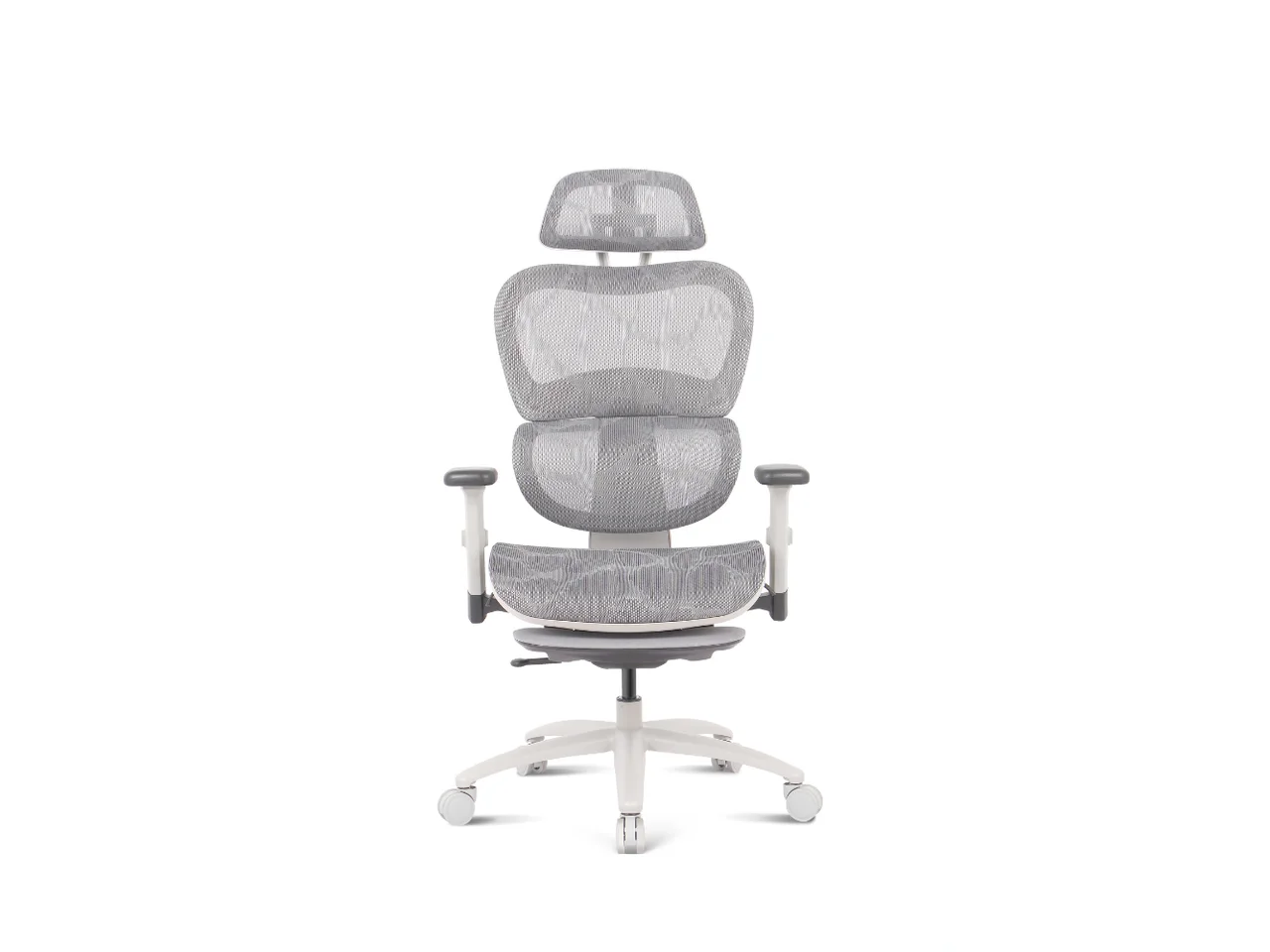
If a chair fails in the field, the gas lift is near the top of the list. It is also the single part that a price-driven supplier will quietly swap to save a dollar, because the buyer rarely sees it. So when we quote an office chair, the cylinder class is one of the first things we pin down, not the last.
What the class number means
Gas lifts are graded into classes by their tested load and cycle durability. In rough numbers, a Class 3 cylinder is rated for around 120 kg and suits standard task chairs and study chairs used a few hours a day. A Class 4 cylinder is built for roughly 150–180 kg and for harder duty — call centers, shared desks, 24/7 stations and big-and-tall programs. The jump is not only about maximum weight; the higher class also tolerates more up-down cycles before it starts to sink on its own.
The stamp matters as much as the class. A genuine cylinder carries a mark on the steel — typically a TÜV or SGS reference along with the class — and you can ask for that photo before production. We would rather you check it than take our word for it.
The trade-off, stated plainly
Class 3 is fine, and we ship a lot of it. For a home-office chair that gets four hours of use a day, paying for Class 4 is buying a number the user never reaches. But for a contract order going into an open-plan office where chairs get sat in by different people all day, we push you to Class 4 — and yes, it costs more per unit. The reason is not comfort, it is warranty math. The few dollars saved on Class 3 across a 40-foot container come straight back as replacement cylinders, freight on spare parts, and an unhappy reseller. We have watched that happen to buyers who switched suppliers on price alone.
How we set it on your order
Tell us where the chairs are going and how hard they will be used, and we map the class to the duty. If your market has a heavier average user, we default to Class 4 on the chairs that carry your brand and keep Class 3 for the budget line — you do not have to upgrade the whole catalogue. For chairs that also need a fatigue report, the cylinder class is part of what we book into testing; we build to BIFMA/EN methods and testing can be arranged per order.
One more field note: a "Class 4" claim with no stamp and no test reference is just a word. Ask any supplier — including us — for the cylinder mark and the class certificate scope before you confirm. For a broader look at what safe gas-lift specification actually involves — burst pressure ratings, anti-drop mechanisms and the EN 1335 requirements — the gas lift safety guide at ChairManufacturer.net covers the buyer side in detail. If you want help spec'ing a chair program by duty level, our ODM/OEM team does this every week. Start a thread through our contact page or email [email protected].